


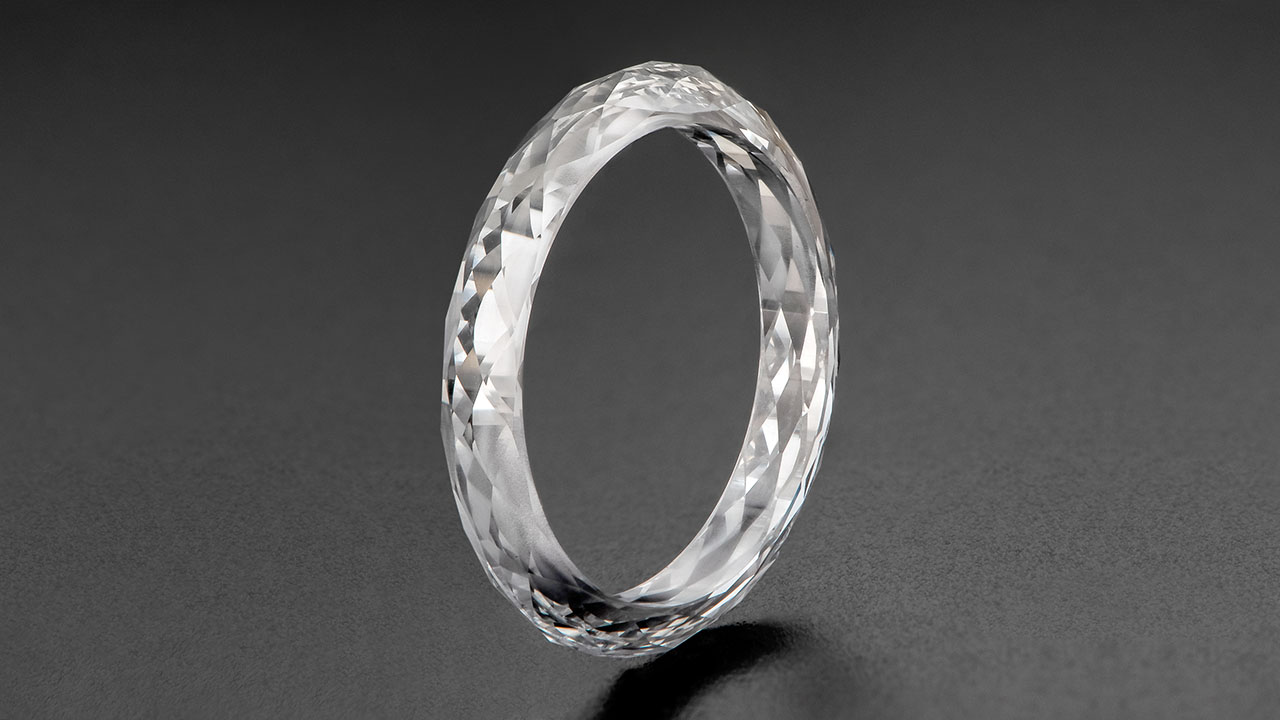
Ever stared at a sparkling diamond and wondered, “Wait… how do I even know it’s worth it?” Let’s be honest, buying diamonds can feel like navigating a maze blindfolded. You’ve got certificates, grades, labs, natural, lab-made… the list goes on. Today, we’re talking about GIA vs IGI and the whole lab-made diamond debate. Spoiler: it’s not as scary as it sounds.
A Little Background Story
Think about it: when was the last time a piece of jewelry actually told a story? For most of us, diamonds are about milestones—engagements, anniversaries, that “I made it” moment in life. But here’s the kicker: not all diamonds are created equal… literally.
GIA (Gemological Institute of America) and IGI (International Gemological Institute) are two of the big names in diamond grading. They both give you certificates that say, “Yep, this is a diamond. Here’s how good it is.” But here’s the thing—GIA has this reputation for being super strict. Like, almost annoyingly perfect. IGI? They’re a little more… lenient. That’s not to say they’re bad, but if you’re comparing two diamonds with seemingly identical specs, the GIA one might actually be a tad better in real life.
And then there’s lab-made diamonds. Some people wrinkle their noses and say, “Eh, it’s not natural.” Others think, “Finally! Something ethical that doesn’t cost a kidney.” Lab-grown diamonds are chemically and physically identical to natural ones—yes, they sparkle, they shine, and to be honest, sometimes you can’t tell the difference without special equipment.
Options, Trends, and Advice
So, how do you even pick between GIA vs IGI or natural vs lab-made? Here’s a little cheat sheet in plain English:
-
GIA vs IGI
GIA = more rigorous. If a stone says “D color, VS1 clarity,” you can almost trust it blindly.
IGI = slightly more relaxed. Sometimes stones are graded a notch higher than they’d get at GIA. Not a deal-breaker, but worth knowing if you want absolute precision.
-
Lab-Made Diamonds
Price: usually 20–40% cheaper than natural diamonds. Cha-ching.
Ethics: no blood diamonds, minimal environmental impact. Feel good factor: high.
Perception: still a “new kid” vibe in the traditional market. Some grandparents may raise an eyebrow.
-
Mix and Match Reality Check
Want a big stone but don’t want to bankrupt yourself? Lab-made with a GIA certificate (yes, that combo exists!) can feel like winning the lottery.
Want a “classic, heirloom” vibe? Natural + GIA might be your jam.
Example: my friend Sarah recently bought a 1-carat lab-made diamond with an IGI certificate. She saved thousands, and honestly? It’s so sparkly that her fiancé literally didn’t notice it wasn’t natural.
Local Angle – Why Here Matters
Let’s talk local flavor. If you’re shopping in, say, Hong Kong, New York, or even smaller markets, here’s something you might not realize: the certificate doesn’t always tell the full story. Prices, trends, and availability differ by region.
Hong Kong, for instance, has a booming lab-made diamond market. You’ll find sellers that specialize in custom rings with lab-grown stones. Natural diamonds? They’re still revered, but the premium is noticeable.
Also, here’s a fun fact: some local jewelers actually tweak the cut slightly to maximize sparkle depending on the diamond’s origin. GIA vs IGI? That matters here because the cut grade might translate differently under the local jeweler’s eye.
How It Works – Diamonds in Steps
Alright, let’s break it down without boring you:
Pick the Type – Natural or lab-made. Think about budget, ethics, and vibe.
Check the Certificate – GIA or IGI. Don’t skip this unless you enjoy surprises.
Look at the 4 Cs – Cut, Color, Clarity, Carat. This is where the magic happens.
Inspect in Real Life – Photos are nice, but nothing beats seeing sparkle in person. (Yes, that annoying glint.)
Decide on the Setting – Ring, necklace, whatever makes your heart skip. Remember, a great diamond in a bad setting is like a superstar in a boring movie.
Buy and Celebrate – Pop the champagne or bubble tea. You earned it.
Pro tip: if you’re leaning lab-made, make sure the jeweler mentions “grown in lab” somewhere on the certificate. Otherwise, future resale might get tricky.
Conclusion
At the end of the day, whether you’re comparing GIA vs IGI or deciding between natural and lab made diamonds, it’s more than just letters and numbers. It’s about the story you want your jewelry to tell.
Let’s face it, diamonds are expensive. But they’re also magical. They catch light, they catch eyes, and yes… they catch hearts. And honestly? Whether it’s a lab-made gem certified by IGI or a natural stunner graded by GIA, it’s really about what makes you happy when you look down at that ring or necklace.
So go ahead. Compare, inspect, and choose. But remember: your perfect diamond is the one that sparkles for you—not the one that impresses everyone else.