

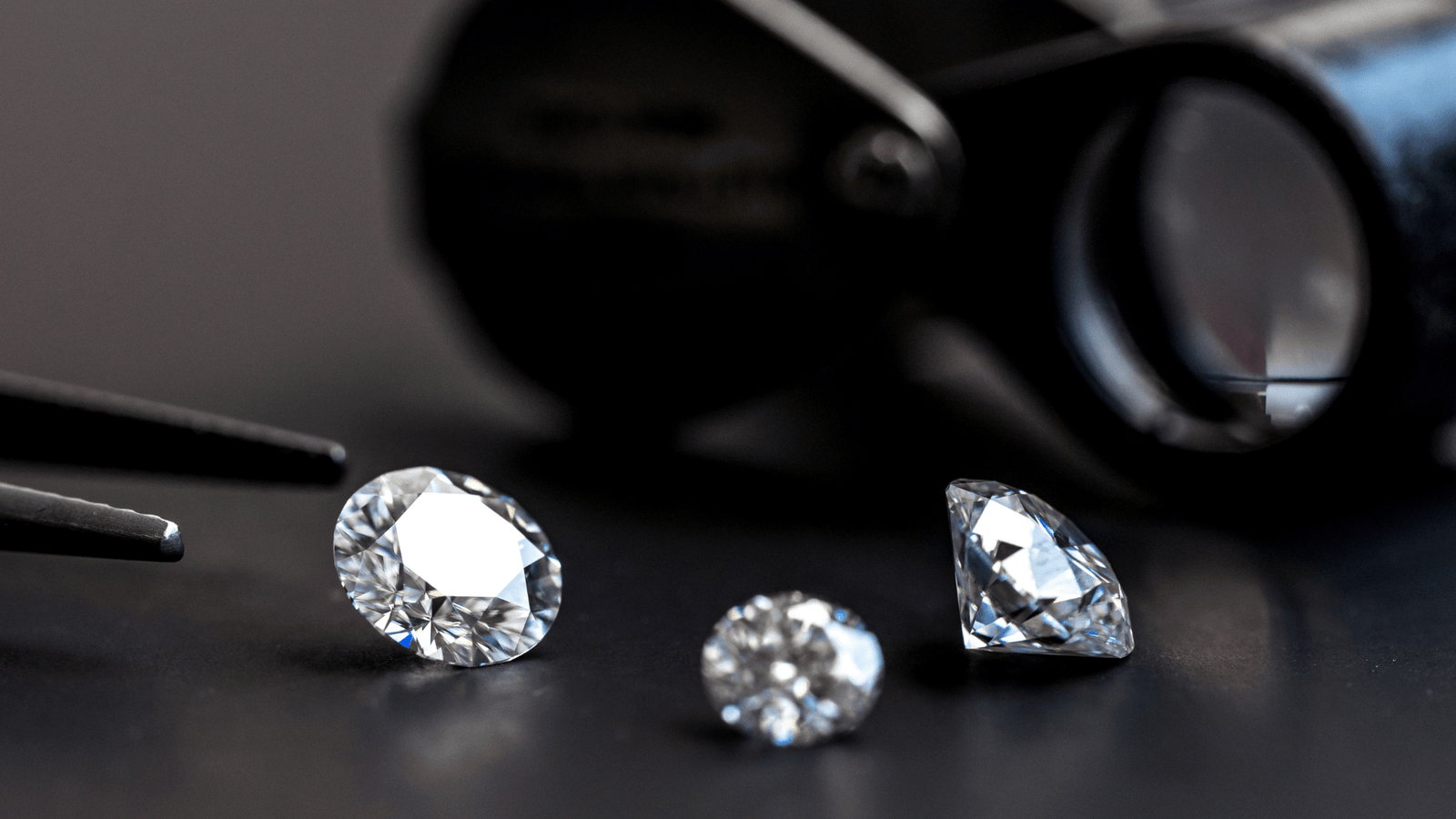
Pear engagement rings featuring lab-grown diamonds have quickly become one of the most sought-after choices among modern couples. Blending timeless elegance with contemporary values, these rings offer a distinctive aesthetic while aligning with ethical and environmental considerations. In this article, we’ll explore what makes pear-shaped engagement rings so special, the benefits of lab-grown diamonds, and why this combination is reshaping the jewelry industry.
The Allure of Pear-Shaped Engagement Rings
The pear shape, often described as a teardrop, is a hybrid cut that combines the brilliance of a round diamond with the elongated elegance of a marquise. This unique silhouette creates a striking and sophisticated look that stands out from more traditional cuts.
One of the most appealing aspects of a pear-shaped engagement ring is its versatility. It can be worn with the pointed end facing either toward or away from the wearer, allowing for subtle personalization. Additionally, the elongated form creates an illusion of longer, more slender fingers, making it a flattering choice for many hand shapes.
Pear-shaped diamonds also tend to appear larger than other cuts of the same carat weight due to their extended surface area. This means buyers can achieve a bold, eye-catching look without necessarily increasing their budget.
A Brief History of the Pear Cut
The pear-shaped diamond dates back to the 15th century and is credited to Flemish diamond cutter Lodewyk van Bercken. His invention of the polishing wheel allowed for more precise and intricate cuts, leading to the creation of the pear shape.
Over centuries, the cut has been favored by royalty and celebrities alike. Its association with sophistication and individuality has helped it endure as a symbol of elegance and refined taste.
What Are Lab-Grown Diamonds?
Lab-grown diamonds, also known as synthetic or man-made diamonds, are created in controlled laboratory environments using advanced technological processes. These methods replicate the natural conditions under which diamonds form in the Earth, resulting in stones that are chemically, physically, and optically identical to mined diamonds.
There are two primary methods used to create lab diamonds:
- High Pressure High Temperature (HPHT): Mimics the intense heat and pressure found deep within the Earth.
- Chemical Vapor Deposition (CVD): Uses carbon-rich gases to grow diamond crystals layer by layer.
Despite being created in a lab, these diamonds are real diamonds—not simulants like cubic zirconia or moissanite.
Why Choose Lab-Grown Diamonds?
1. Ethical Sourcing
One of the biggest advantages of lab-grown diamonds is their ethical origin. Traditional diamond mining has long been associated with environmental degradation and, in some regions, human rights concerns. Lab diamonds eliminate the need for mining, offering peace of mind to socially conscious buyers.
2. Environmental Impact
Lab-grown diamonds generally have a lower environmental footprint compared to mined diamonds. While they do require energy to produce, they avoid the extensive land disruption, water use, and carbon emissions associated with mining operations.
3. Affordability
Lab diamonds are typically 20–40% less expensive than their natural counterparts. This price difference allows buyers to choose a larger or higher-quality stone within the same budget.
4. Quality and Variety
Because they are created in controlled environments, lab-grown diamonds often exhibit fewer inclusions and can be produced in a wide range of sizes and qualities. They are graded using the same standards (the 4Cs: cut, color, clarity, and carat) as mined diamonds.
Why Pear Engagement Rings Pair Perfectly with Lab Diamonds
Combining a pear-shaped cut with a lab-grown diamond creates a ring that is both visually stunning and aligned with modern values. Here’s why this pairing works so well:
Distinctive Yet Timeless
The pear shape offers a unique alternative to round or princess cuts, while lab diamonds represent innovation and forward-thinking. Together, they strike a balance between tradition and modernity.
Maximized Value
Since pear-shaped diamonds already appear larger than other cuts, pairing them with a more affordable lab-grown stone allows buyers to maximize size and brilliance without overspending.
Customization Options
Lab-grown diamonds are often more readily available in various sizes and qualities, making it easier to design a custom pear-shaped ring. Whether you prefer a solitaire setting, a halo design, or a three-stone arrangement, the possibilities are extensive.
Popular Settings for Pear Engagement Rings
Solitaire
A classic solitaire setting allows the pear-shaped diamond to take center stage. This minimalist design emphasizes the stone’s unique shape and brilliance.
Halo
A halo setting surrounds the center stone with smaller diamonds, enhancing its sparkle and making it appear larger. This style pairs beautifully with pear-shaped diamonds, accentuating their curves.
Three-Stone
In a three-stone setting, the pear-shaped diamond is flanked by two smaller stones, often representing the past, present, and future of a relationship.
Vintage-Inspired
Intricate details such as milgrain edges, filigree work, and engraved bands add a romantic, antique feel to pear engagement rings.
Choosing the Right Pear-Shaped Lab Diamond
When selecting a pear-shaped lab diamond, there are several factors to consider:
Symmetry
Symmetry is especially important for pear shapes. The point should align perfectly with the center of the rounded end, and both sides should mirror each other.
Length-to-Width Ratio
This ratio determines how elongated the diamond appears. A ratio between 1.45 and 1.75 is generally considered ideal, but personal preference plays a big role.
Bow-Tie Effect
Many pear-shaped diamonds exhibit a “bow-tie” shadow across the center. While some bow-tie is normal, it should not be overly dark or distracting.
Setting Protection
Because the pointed tip of a pear-shaped diamond is more vulnerable to chipping, it’s important to choose a setting that protects it, such as a prong or bezel.
Caring for Your Ring
Lab-grown diamonds are just as durable as natural diamonds, ranking 10 on the Mohs hardness scale. However, proper care is still essential to maintain their brilliance:
- Clean regularly using mild soap and warm water.
- Avoid exposing the ring to harsh chemicals.
- Store it separately to prevent scratches.
- Have it inspected periodically by a jeweler.
The Future of Engagement Rings
As consumer preferences shift toward sustainability and individuality, pear engagement rings with lab-grown diamonds are becoming increasingly popular. They reflect a broader movement in the jewelry industry—one that values transparency, ethical practices, and innovative design.
Younger generations, in particular, are embracing lab diamonds not just for their affordability but for what they represent: a conscious choice that doesn’t compromise on beauty or quality.
Final Thoughts
Pear engagement rings featuring lab-grown diamonds offer the perfect combination of elegance, value, and responsibility. Their unique shape captures attention, while their ethical origins resonate with modern sensibilities. Whether you’re drawn to their aesthetic appeal or their sustainability benefits, these rings represent a meaningful and stylish way to celebrate love.


